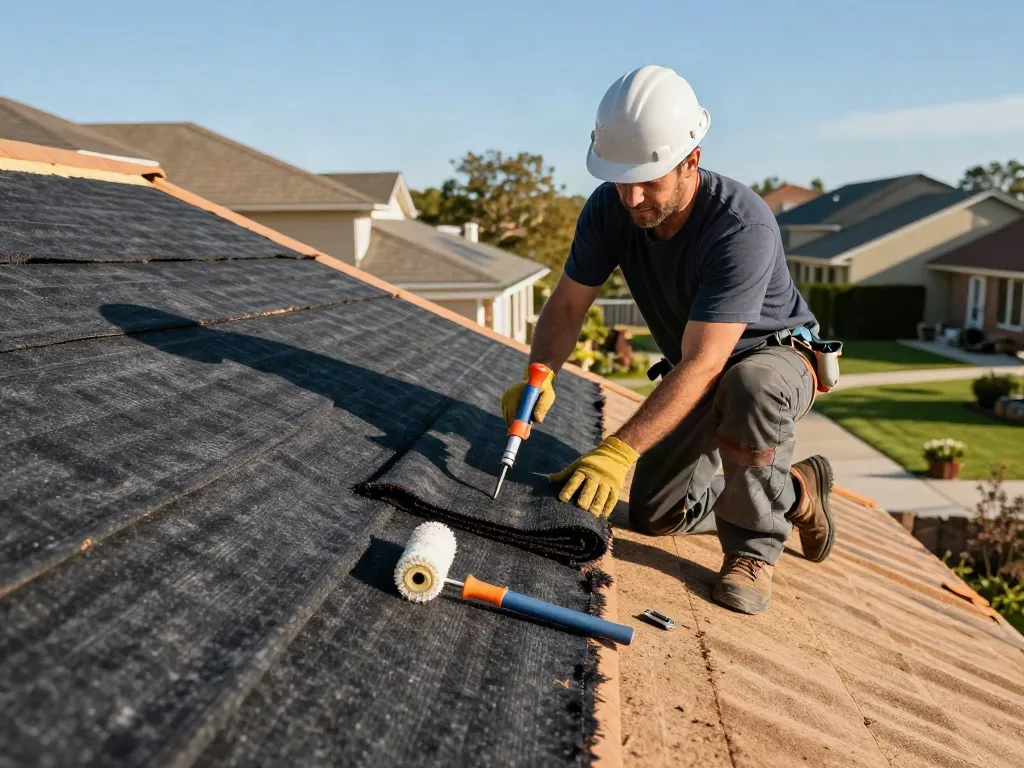
Understanding Felt Roofing
Felt roofing has become a popular choice among homeowners due to its durability, cost-effectiveness, and ease of installation. This roofing style is used extensively in both residential and commercial applications, making it essential for homeowners to understand its features and benefits. When exploring options, felt roofing provides comprehensive insights into the various types and methods available. This article delves into what felt roofing is, its benefits, and how to choose the right specialist for your roofing needs.
What is Felt Roofing?
Felt roofing, commonly used for flat roofs, is made from layers of felt, an absorbent material covered in a waterproof coating. The felt is usually made from either bitumen or a synthetic compound, providing a robust barrier against the elements. This type of roofing is particularly beneficial for structures with low-pitched roofs where traditional tiles or shingles may not be practical.
Benefits of Using Felt Roofing
- Cost-effective: Felt roofing systems are often less expensive to install than traditional roofing materials.
- Quick installation: The installation process is relatively speedy, which minimizes disruption for homeowners.
- Durability: Modern felt roofing has been designed to withstand various weather conditions, providing long-lasting protection.
- Low Maintenance: With proper installation, felt roofing requires minimal upkeep compared to other types of roofing.
Common Applications of Felt Roofing
Felt roofing is typically utilized in various applications, including:
- Garage roofs
- Extensions
- Sheds
- Commercial buildings
- Flat roof balconies
Choosing the Right Felt Roofing Specialist
Selecting a professional roofing contractor is crucial for ensuring that your felt roofing is installed correctly. With many options available, it is essential to consider several factors to find a specialist who meets your needs.
Criteria for Selecting a Professional Roofer
When choosing a roofing contractor for your felt roofing project, consider the following:
- Experience: Look for a roofer with substantial experience in felt roofing projects, as they will be more familiar with the specific challenges and requirements.
- Reviews and Referrals: Check online reviews and ask for referrals to gauge the reputation and reliability of potential contractors.
- Formal Estimates: Request written estimates from multiple contractors to compare prices and services before making a decision.
Checking Credentials: Insurance and References
Before finalizing your choice, ensure that the contractor has the necessary licenses and insurance to operate in your area. This protects you from liability in case of accidents during the project. It's also beneficial to ask for references and follow up with previous clients to ensure their satisfaction with the work.
Local vs. National Roofing Services
While national roofing companies may have brand recognition, local contractors often provide more personalized service and a better understanding of local weather conditions and building codes. Supporting local businesses can also lead to better deals and more community-oriented service.
The Installation Process of Felt Roofing
Understanding the installation process can help you better appreciate the craftsmanship involved in felt roofing. This section outlines the key steps necessary for installing a felt roof effectively.
Step-by-Step Guide to Installation
- Preparation: Clear the roof area of debris and existing roofing material.
- Measure and Cut: Measure the roof dimensions accurately and cut felt roofing materials to size.
- Apply a Base Layer: Install a base layer of felt, securing it with adhesive or nails.
- Heat-Sealing: If using torch-on felt, heat the materials to bond them securely.
- Finish Layers: Apply additional layers as necessary, ensuring that each layer overlaps the previous one for optimal waterproofing.
Tools and Materials Required for Installation
The installation of felt roofing typically requires the following tools and materials:
- Utility knife
- Ruler or measuring tape
- Adhesive or torch for heating
- Nails and hammer
- Protective gear (gloves and goggles)
Common Mistakes During Installation
Some common pitfalls include:
- Improper sealing of seams, which can lead to leaks.
- Failing to prepare the roof surface adequately.
- Not accounting for drainage, resulting in water pooling.
Maintaining Your Felt Roof
Regular maintenance is key to extending the lifespan of your felt roof. Implementing a proactive maintenance routine can prevent costly repairs down the line.
Regular Inspection and Maintenance Tips
To maintain your felt roof, consider the following tips:
- Inspect the roof for cracks or blisters at least twice a year and after severe weather conditions.
- Keep gutters and drainage systems clear to prevent water pooling.
- Repair minor damages promptly to avoid larger issues.
Signs Your Felt Roof Needs Repair or Replacement
Watch for these indicators that your felt roof may require repair or replacement:
- Visible tears or splits in the felt material.
- Pooling water that does not drain off.
- Internal leaks or water stains on ceilings.
Longevity and Lifespan of Modern Felt Roofing
Modern felt roofing systems can last between 10 to 20 years with proper installation and maintenance, depending on the materials used and environmental factors.
Cost Considerations for Felt Roofing Projects
Understanding the financial aspects of installing a felt roof can help you budget properly and avoid unexpected expenses.
Factors Influencing Roofing Costs
Several factors can impact the overall cost of a felt roofing project, including:
- Size of the Roof: Larger roofs will naturally incur higher material and labor costs.
- Material Quality: The choice of felt and other materials significantly influences pricing.
- Labor Costs: Rates may vary based on the contractor’s experience and local market conditions.
How to Get Accurate Quotes from Roofers
Obtaining detailed quotes is essential for budgeting. Ensure that quotations outline the following:
- Materials to be used.
- Estimated labor costs.
- Project timeline.
Comparing Quotes: Getting the Best Value
When comparing quotes, avoid focusing solely on the price. Consider the value offered by each contractor, including warranties and customer feedback. Higher costs may sometimes reflect better materials and workmanship.
What is the Average Cost of Felt Roofing?
The average cost for installing felt roofing in the UK typically ranges from £40 to £70 per square meter, depending on the specifics of the project. This pricing can vary greatly based on location, roof complexity, and chosen materials.