Understanding Glass Floors for Modern Interiors
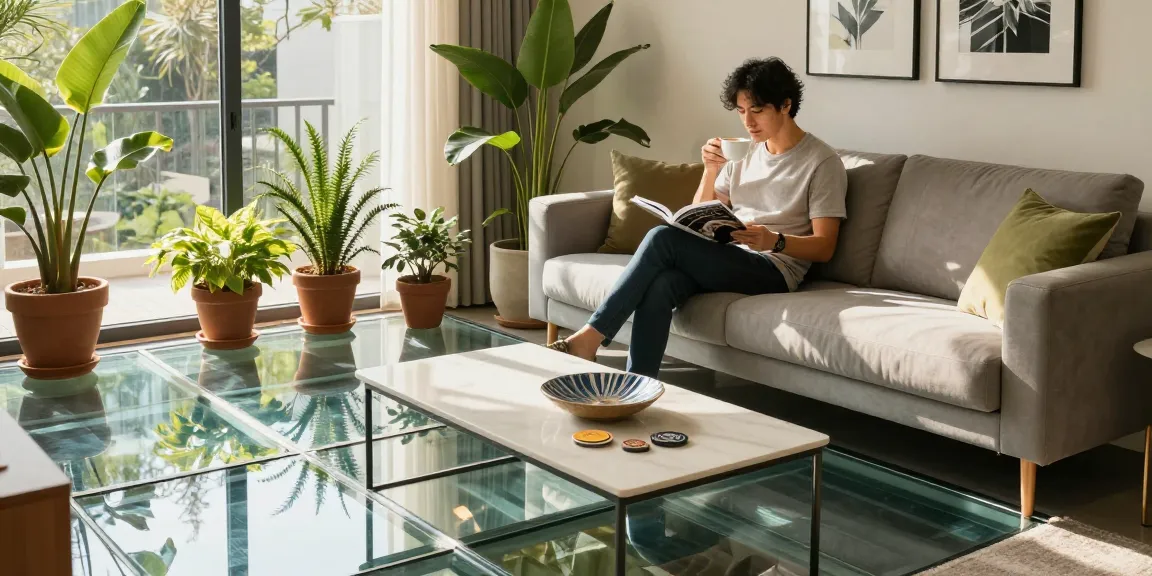
In recent years, glass floors have emerged as a favored choice for modern interior designs, particularly in residential spaces. These innovative flooring solutions not only enhance aesthetic appeal but also elevate the functionality of a home. With an extraordinary ability to blend beauty and practicality, glass floors are redefining contemporary living. When exploring options, glass floors for modern interiors provide comprehensive insights into how they can transform a space.
What Are Glass Floors?
Glass floors are flooring systems made primarily from glass materials that are designed to bear weight and resist pressure. These floors can be used in various applications, from residential homes to commercial spaces, and are often incorporated into areas such as entryways, balconies, or even as part of architectural elements like staircases. The design can vary from transparent glass to decorative frosted versions, allowing for creative expression while maintaining structural functionality.
Key Benefits of Using Glass Floors
- Natural Light: One of the standout benefits of glass flooring is its ability to allow natural light to permeate spaces. This characteristic can significantly brighten interiors, making spaces feel more open and inviting.
- Aesthetic Appeal: Glass floors offer a sleek and modern look, enhancing the overall style of a home. They can complement various design themes, from minimalist to luxurious.
- Durability: Modern glass flooring is manufactured using tempered or laminated glass, which is designed to withstand heavy loads and resist impacts, making them a durable choice for residential applications.
- Versatility: Glass flooring can be used in various settings, including residential homes, offices, and public buildings, making it a versatile design option.
Design Versatility in Residential Spaces
The versatility of glass floors extends to their design and placement within residential interiors. They can be seamlessly integrated into various architectural elements, including:
- Open Plan Living: Glass floors work exceptionally well in open-plan spaces, providing a sense of continuity while also demarcating different areas.
- Staircases: Glass stairs can create a stunning visual effect, enhancing the sense of space and light in stairwells.
- Balconies and Terraces: Utilizing glass flooring on terraces allows for the unobstructed view of the landscape while maintaining durability against weather elements.
Installation Considerations for Glass Floors
Installing glass floors requires careful planning and execution to ensure safety and structural integrity. Before proceeding with installation, homeowners must consider several factors:
Structural Integrity and Safety Measures
Prior to installation, it is crucial to assess the building's structural integrity. Glass flooring must be supported adequately by a framework that can handle its weight and resist pressure. Safety measures, such as anti-slip surfaces or safety glazing, should also be applied to prevent accidents.
Choosing the Right Materials
The type of glass and supporting materials selected play a significant role in the performance of glass floors. Options include:
- Tempered Glass: Stronger than standard glass, it breaks into small, blunt pieces, reducing injury risks.
- Laminated Glass: Consists of multiple layers, providing additional safety and resistance to impact.
- Anti-slip Coatings: Adding coatings enhances traction, making glass floors safer in high-traffic areas.
Professional Installation vs. DIY
While some homeowners may consider DIY installation, it is generally advisable to seek professional help. Experts can ensure the flooring is installed correctly and safely, addressing any potential issues that may not be apparent to the untrained eye.
Glass Floors and Energy Efficiency
Modern glass flooring solutions can contribute significantly to the energy efficiency of a home, providing benefits that go beyond aesthetic appeal.
Natural Light Enhancement
By utilizing glass floors, homeowners can maximize the influx of natural light, reducing reliance on artificial lighting during the day. This not only creates a more pleasant living environment but also helps in lowering energy bills.
Thermal Performance of Glass Flooring
Many glass flooring systems now incorporate insulating technologies that enhance thermal performance. This can help maintain indoor temperatures, reducing the need for excessive heating or cooling.
Long-Term Cost Benefits
While the initial investment in glass flooring may be higher than traditional materials, the long-term savings on energy bills and maintenance can offset the costs. Durable and easy to clean, glass floors can lead to lower upkeep expenses over time.
Trends in Glass Flooring Design
As we move towards 2026, several design trends are emerging in the realm of glass flooring, providing exciting opportunities for homeowners looking to enhance their interiors.
Emerging Styles for 2026
Versatility extends to style, with trends highlighting:
- Textured Glass: Varied textures can provide aesthetic appeal while enhancing safety.
- Colored Glass: Adding colored glass panels can introduce a unique flair to interiors.
- Integrated Lighting: Incorporating LED lighting beneath glass floors can create stunning visual effects.
Integrating Glass Floors with Other Elements
Designers are increasingly integrating glass floors with other materials, such as wood or stone, to create rich and dynamic environments. This combination enhances the visual appeal while maintaining structural strength.
Case Studies of Innovative Interiors
Numerous case studies exemplify the transformative power of glass flooring in home design. From modern penthouses overlooking city skylines to contemporary country homes, glass floors serve as a central design feature that embodies luxury, light, and innovation.
Future Outlook and Innovations in Glass Flooring
The future of glass flooring is poised for significant innovations as technology continues to evolve. Upcoming trends suggest a dynamic landscape that fosters both creativity and sustainability.
Technological Advancements in Glass Flooring
Advancements in glass manufacturing techniques are leading to more resilient materials that can withstand greater pressure and environmental stresses. New technologies also promise enhanced energy efficiency features.
Architectural Trends Influencing Design Choices
As architectural trends move towards minimalism and transparency, glass flooring solutions will become increasingly important in modern design. The seamless transition between indoor and outdoor spaces will remain a key focus.
Sustainability in Glass Flooring Materials
The industry is shifting towards sustainable materials and manufacturing processes. Recycled glass and eco-friendly practices are expected to gain prominence, aligning with global sustainability goals and appealing to environmentally-conscious consumers.
What are the maintenance requirements for glass floors?
Glass floors require relatively low maintenance. Regular cleaning with a non-abrasive cleaner is typically sufficient to keep them looking pristine. Additionally, it's essential to check for any signs of wear or damage periodically.
Are glass floors safe for homes with children or pets?
When installed correctly, glass floors can be safe for homes with children or pets. Choosing safety-rated glass and applying anti-slip treatments can mitigate potential hazards, making them a feasible choice for family environments.
What design styles pair well with glass flooring?
Glass flooring complements a wide range of design styles, including modern, contemporary, minimalist, and industrial. Its versatility allows it to blend seamlessly with various materials and color palettes, making it a popular choice among designers.
How do glass floors impact home value?
Investing in quality glass flooring can enhance a property's appeal and increase its market value. Modern buyers often seek unique architectural features, and glass flooring can serve as a standout element that differentiates a home in a competitive market.
What are the latest trends in glass flooring for 2026?
As we approach 2026, expect to see more use of textured and colored glass, integrated lighting features, and a focus on sustainable materials. These trends will shape the future of glass flooring, catering to evolving consumer preferences and design philosophies.