The Timeless Appeal of Victorian Tiled Paths
Victorian tiled paths represent more than just a functional aspect of home design; they are a statement of elegance, craftsmanship, and historical significance. Originating in the Victorian era, these paths have stood the test of time, successfully blending aesthetics and durability to enhance various landscapes. Today, homeowners and designers alike are rediscovering the charm of these intricate pathways, utilizing them to create stunning entrances and cozy garden retreats. When exploring options, Victorian tiled paths provide comprehensive insights into how to achieve a classic and inviting look.
What Are Victorian Tiled Paths?
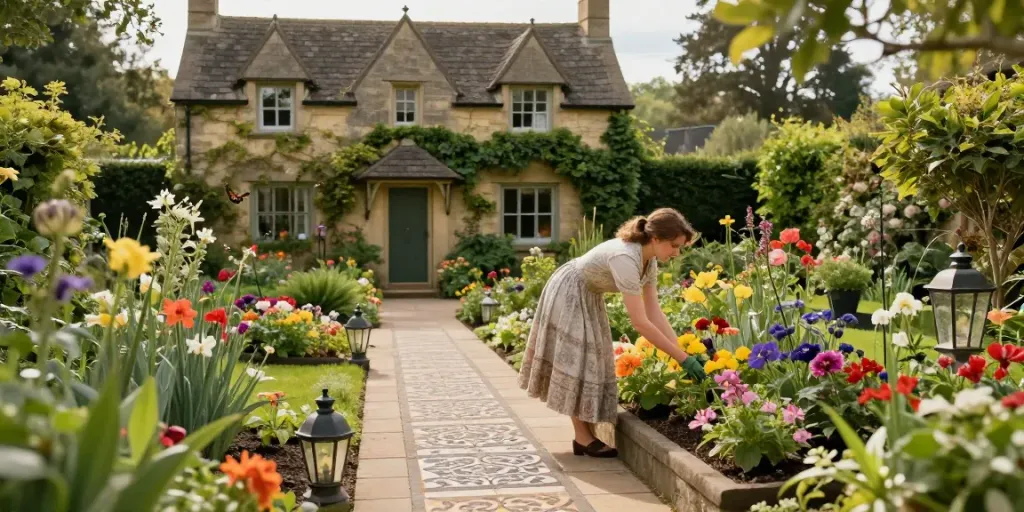
Victorian tiled paths are characterized by their striking designs, often incorporating intricate geometric patterns and vibrant color schemes. These paths typically use encaustic tiles, which are made of clay and pigment, resulting in a durable and visually rich surface. The tiles are often laid in specific layouts, such as checkerboards or herringbones, which were popular during the Victorian period. The attention to detail and craftsmanship involved in creating these paths reflect the era's emphasis on artistry and quality.
The Historical Significance of Victorian Tiled Paths
The Victorian period, spanning from 1837 to 1901, was marked by a significant shift in architectural and decorative styles. Tiled paths emerged as part of the broader aesthetic movement, emphasizing beauty and artistry in everyday materials. These pathways were not only practical, providing clear access from the street to the entrance of homes, but they also served as a canvas for artistic expression. With their origins in England, Victorian tiled paths quickly spread, becoming a symbol of affluence and style. They were often found in front of terraced homes, public buildings, and distinguished estates, highlighting the importance of grand entrances in Victorian architecture.
Visual Characteristics of Victorian Tiled Paths
Victorian tiled paths are known for their unique visual characteristics, which combine color, pattern, and texture. Commonly, you'll find:
- Color Variety: Bold hues such as deep reds, blues, and greens are complemented by contrasting blacks and whites.
- Pattern Complexity: Patterns can range from simple designs to complex mosaics, often featuring flowers, geometric shapes, and intricate borders.
- Texture: The surface of the tiles is usually unglazed, providing a slip-resistant grip, which is ideal for outdoor settings.
Choosing the Right Materials for Your Path
When it comes to constructing a Victorian tiled path, selecting the right materials is crucial for both aesthetics and longevity. The choice of tile will impact not only the appearance of your path but also its durability and maintenance requirements.
Best Tile Types for Victorian Paths
For authentic Victorian tiled paths, encaustic tiles are the preferred choice due to their rich colors and intricate designs. However, other tile types can also be used, such as:
- Porcelain Tiles: Highly durable and available in various colors and patterns, porcelain can mimic the look of traditional tiles.
- Ceramic Tiles: Often less expensive than encaustic, ceramic tiles offer a range of designs but may not have the same authenticity.
- Reclaimed Tiles: Using original Victorian tiles can add historical charm and uniqueness to your path.
Durability and Maintenance of Victorian Tiling
One of the key advantages of Victorian tiled paths is their remarkable durability. Properly installed and maintained, these tiles can last for decades, resisting wear from foot traffic and weather conditions. Regular maintenance should include:
- Cleaning: Periodically clean the tiles with a mild detergent and water to prevent grime build-up.
- Sealing: Applying a sealant can help protect against staining and enhance the tiles’ color.
- Repairs: Address any cracks or chips promptly to maintain the integrity of the path.
Eco-Friendly Options for Sustainable Path Installation
With increasing environmental awareness, many homeowners are seeking eco-friendly alternatives for their pathways. Consider the following options:
- Reclaimed Tiles: Salvaging original Victorian tiles not only reduces waste but also contributes to the historical integrity of your property.
- Sustainable Materials: Explore tiles made from recycled materials or those produced with minimal environmental impact.
- Permeable Surfaces: Installing tiles in a way that allows water to drain through can help manage rainwater and reduce runoff.
Designing Your Victorian Tiled Path
Designing a Victorian tiled path is an opportunity to showcase your creativity and enhance your property’s curb appeal. The design should harmonize with the surrounding landscape and architectural elements of your home.
Popular Patterns and Layouts
Victorian paths can feature a variety of layouts depending on your taste and the architecture of your home. Some common patterns include:
- Checkerboard: Alternating black and white tiles create a classic look.
- Herringbone: This pattern offers a dynamic visual effect, making the path appear more intricate.
- Bordering: Adding a border of contrasting tiles can frame the main design, enhancing its appearance.
Color Combinations That Enhance Aesthetics
Selecting complementary colors is vital for creating a visually appealing path. Some popular combinations include:
- Black and White: Timeless and elegant, this duo suits both traditional and modern homes.
- Earthy Tones: Using browns, greens, and terracotta tiles can blend seamlessly with garden landscapes.
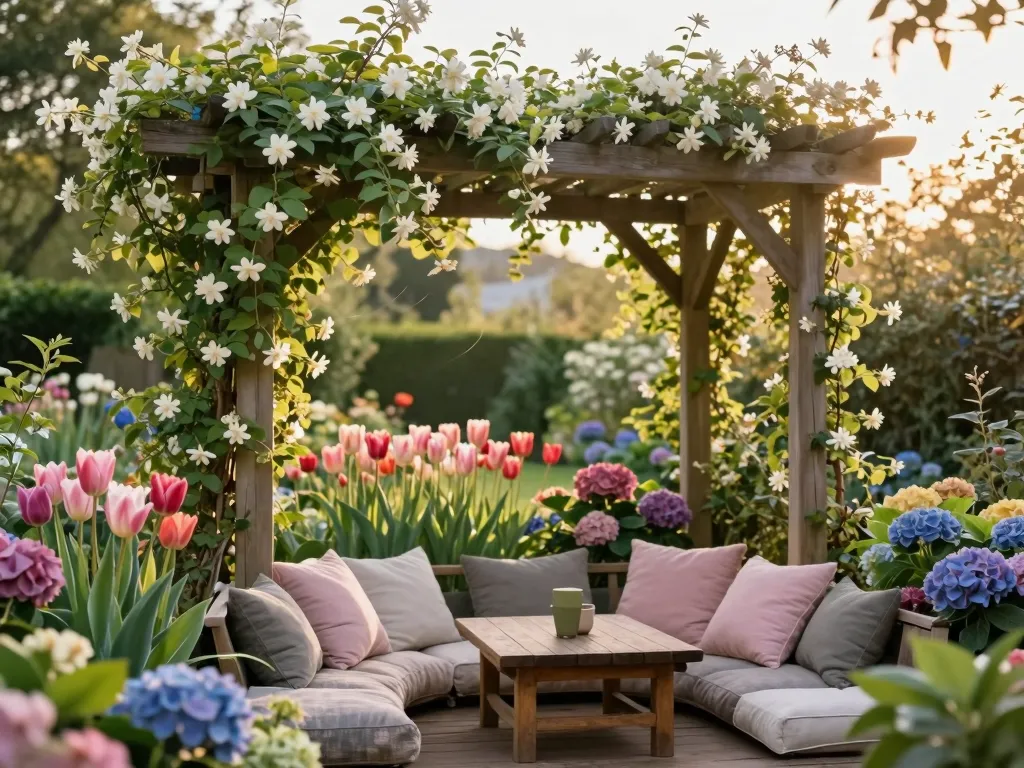
- Pastel Shades: Light colors can evoke a softer, more romantic feel, particularly suitable for cottage-style gardens.
Integrating Pathways within Your Landscape
To create a cohesive outdoor space, consider how your Victorian tiled path will interact with the surrounding landscape. Key elements to consider include:
- Planting Borders: Use flowers and shrubs to frame the path, adding color and texture.
- Lighting: Integrate pathway lighting to enhance safety and showcase the tiles at night.
- Natural Features: Incorporate existing trees or rocks to create a more organic flow in your path design.
Installation Process: Step-by-Step Guide
Installing a Victorian tiled path requires careful planning and execution to ensure a stunning finish. Below is a comprehensive guide to the installation process.
Preparing Your Ground for Victorian Tiles
The first step in installing a Victorian tiled path is preparing the ground properly. This involves:
- Clearing the Area: Remove any grass, debris, or old materials from the intended pathway.
- Leveling: Ensure the ground is level to prevent any uneven tiles, which can lead to further issues.
- Base Layer: Add a layer of compacted gravel or sand to create a stable foundation.
Tips for Properly Laying Tiles
Once the area is prepared, follow these tips for tile installation:
- Dry Lay First: Arrange tiles without adhesive to visualize the layout before sticking them down.
- Use Spacers: Maintain even grout lines between tiles for a professional finish.
- Apply Adhesive Evenly: Use a notched trowel to spread adhesive, ensuring even coverage for adherence.
Sealing and Maintaining Your Pathway
After installation, sealing your Victorian tiled path is essential. Follow these steps:
- Wait for Adhesive to Cure: Allow the adhesive to set as per the manufacturer's instructions before sealing.
- Apply Sealant: Use a high-quality sealant to protect the tiles from moisture and staining.
- Routine Maintenance: Regularly check for loose tiles or damage and address issues promptly to prolong the life of your path.
Future Trends in Victorian Path Designs
As design sensibilities evolve, Victorian tiled paths are witnessing modern adaptations that blend traditional aesthetics with contemporary functionality. Here are some future trends:
Modern Twists on Classic Victorian Styles
Expect to see a resurgence in creative interpretations of Victorian tile patterns. Designers are experimenting with:
- Abstract Patterns: Merging traditional motifs with modern designs to create unique pathways.
- Mixed Materials: Combining tiles with other materials like wood or stone for a more eclectic look.
Smart Technology Integration for Outdoor Spaces
Incorporating smart technology into outdoor designs is becoming more prevalent. Homeowners may consider:
- Illuminated Pathways: Using LED lighting integrated into tiles for enhanced visibility and ambiance.
- Smart Surveillance: Integrating cameras or motion detectors to increase safety around pathways.
Predictions for Victorian Tiling in 2026 and Beyond
Looking ahead, we anticipate that Victorian tiling will continue to adapt. Key predictions include:
- Increased Demand for Customization: Homeowners wanting personalized designs that reflect their style will drive custom tile solutions.
- Focus on Sustainability: Eco-friendly materials and practices will become standard as consumers prioritize environmental responsibility.
What are the benefits of Victorian tiled paths?
Victorian tiled paths offer numerous advantages including durability, aesthetic appeal, and historical value. Their timeless designs enhance property value and curb appeal while providing functional access.
How long do Victorian tiles last?
With proper installation and maintenance, Victorian tiles can last several decades, making them a worthwhile investment for any homeowner.
Can I install Victorian tiles myself?
While DIY installation is possible, it requires careful planning, execution, and a good understanding of tiling techniques. For best results, consider hiring a professional.
What maintenance do Victorian tiled paths require?
Maintenance involves regular cleaning, sealing, and addressing any damage promptly to ensure the longevity of the path.
Are there modern alternatives to traditional Victorian tiles?
Yes, alternatives such as porcelain or ceramic tiles can mimic the look of traditional Victorian tiles while offering enhanced durability and lower costs.