The Evolution of Foldable Phones
Foldable phones have come a long way since their inception, marking a significant milestone in the smartphone industry. These innovative devices combine cutting-edge technology with versatile design, offering users a unique experience. As we look ahead to 2026, the excitement surrounding foldable phones 2026 is palpable, with expectations for further advancements and broader market acceptance.
History and Technological Milestones
The journey of foldable phones began in earnest with Samsung’s Galaxy Fold, launched in 2019, which introduced a new category of smartphones. This device featured a 7.3-inch main display that could be folded to fit into a pocket, showcasing the potential for larger screens in a compact form factor. Following Samsung’s lead, other manufacturers quickly entered the market, including Huawei with its Mate X and Motorola with the revamped Razr. Each of these devices brought unique engineering challenges and innovative solutions, pushing the boundaries of what smartphones could achieve.
Market Growth Predictions for 2026
As of 2026, the foldable phone market is projected to grow significantly, driven by increasing consumer demand for versatile devices. Analysts predict that sales will reach over 10 million units annually, with strong contributions from key players like Samsung, Huawei, and new entrants like Oppo. This growth is further incentivized by advancements in flexible display technology, which continue to become more affordable and durable.
Key Players Driving Innovations
Leading manufacturers are heavily investing in research and development to refine foldable technology. Samsung remains at the forefront, continuously enhancing its Galaxy Z series. Meanwhile, Motorola’s Razr Ultra has captured attention with its retro design and improved features, while Huawei’s Mate X series focuses on sleek designs with innovative hinge mechanisms. New competitors such as Oppo and Xiaomi are also gearing up to release their foldables, indicating a robust competitive landscape.
Top Foldable Phones to Consider in 2026
Samsung Galaxy Z Fold 7 Overview
The Samsung Galaxy Z Fold 7 is expected to set the standard for foldable phones in 2026. With a larger and more vibrant display, improved multitasking features, and enhanced durability, it addresses many of the concerns raised by early adopters. Samsung’s commitment to refining its software experience further enhances productivity, making the Galaxy Z Fold 7 a compelling choice for professionals.
Motorola Razr Ultra Features
Motorola’s Razr Ultra combines nostalgia with modern technology, offering a stylish foldable design that appeals to a wide audience. Key features include a vibrant exterior display for quick interactions and a powerful camera system that rivals traditional smartphones. The device also emphasizes portability without sacrificing performance, making it a popular choice among tech enthusiasts.
Emerging Competitors: Oppo and Huawei
Oppo and Huawei are making waves in the foldable market. The Oppo Find N6 is rumored to feature an innovative design with a no-crease display, aiming to overcome one of the major criticisms of current foldable devices. Huawei’s upcoming models are also expected to leverage their strengths in camera technology and AI, giving them a competitive edge in this burgeoning market.
Understanding Foldable Phone Technology
Display Technologies: OLED vs. LCD
Foldable phones primarily utilize OLED technology due to its flexibility and superior color reproduction. Unlike LCDs, which are typically bulkier and less adaptable, OLEDs provide vibrant visuals and allow for thinner designs. As technology progresses, future foldables will likely feature even more advanced display technologies that enhance viewing experiences.
Durability Concerns and Solutions
One of the main challenges for foldable phones has been durability. Early models suffered from hinge failures and screen damage. However, advancements in materials, such as ultra-thin glass and improved hinge designs, are addressing these concerns. Manufacturers are implementing rigorous testing procedures to ensure that new models withstand the rigors of daily use.
Battery Performance in Foldable Devices
Battery life remains a critical aspect of foldable phones. Developers are working to integrate larger batteries while maintaining a sleek profile, optimizing energy efficiency through software enhancements. Future iterations are expected to incorporate fast-charging technologies, allowing users to recharge quickly, which is essential for high-performance devices.
Practical Uses and Benefits of Foldable Phones
Multitasking Capabilities for Professionals
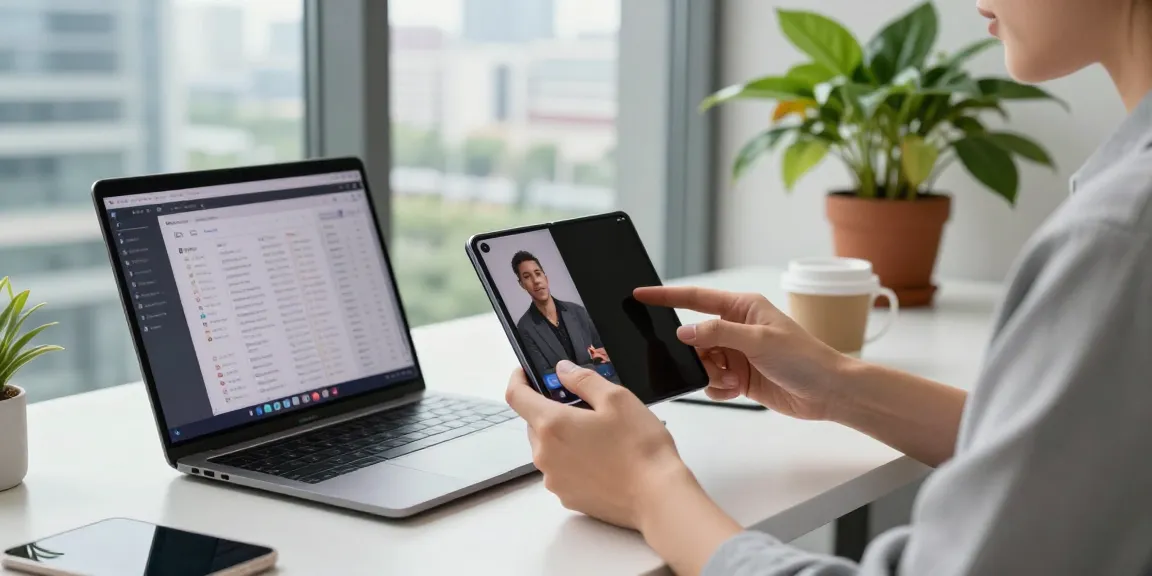
Foldable phones shine in multitasking scenarios. Their larger screens facilitate productivity, allowing users to run multiple applications side by side. This feature is especially beneficial for professionals who rely on their phones for work, enabling seamless transitions between tasks without the need for a laptop.
Gaming Experiences on Foldable Devices
For gamers, foldable phones offer immersive experiences with their larger displays and enhanced graphics capabilities. Titles that require precise controls benefit from the added screen real estate, making gameplay more engaging. As developers optimize games for these devices, the gaming experience is only expected to improve.
Enhanced Media Consumption and Streaming
Foldable phones are an excellent choice for media consumption. The ability to transform from a phone to a mini-tablet provides users with a fantastic viewing experience for movies, shows, and gaming. Streaming services are adapting their content to take full advantage of the screen size, creating a more cinematic experience.
Future Trends in Foldable Phones
Innovations to Watch Beyond 2026
As we move beyond 2026, several trends are likely to shape the foldable phone market. Innovations such as rollable displays, which allow for adjustable screen sizes, may become mainstream. Additionally, advancements in AI-driven features will enhance user experiences, making devices smarter and more intuitive.
Consumer Feedback and Expectations
Consumer feedback is playing a pivotal role in shaping future foldable designs. Manufacturers are increasingly listening to user concerns regarding durability, functionality, and design aesthetics. As a result, upcoming models may focus on improving these aspects, ensuring that user satisfaction remains a priority.
Environmental Impact and Sustainability Challenges
With the rise of foldable phones, manufacturers face pressing environmental concerns. The production and disposal of these devices contribute to electronic waste, prompting companies to explore sustainable practices. Future foldables may incorporate recyclable materials and offer trade-in programs to mitigate their environmental footprint.
What are the benefits of choosing foldable phones?
Foldable phones offer numerous benefits, including enhanced multitasking, a larger display without increasing device size, and innovative designs that make a statement. Their versatility caters to various user needs, from professionals to gamers and media enthusiasts.
How do foldable phones compare to traditional smartphones?
Compared to traditional smartphones, foldable phones provide a unique form factor that combines the functionality of a tablet and a phone. While they may be pricier, the features and benefits they offer justify the investment for many consumers.
Are foldable phones durable enough for everyday use?
With advancements in materials and design, modern foldable phones are becoming more durable, addressing past concerns about hinge reliability and screen fragility. As technology advances, we can expect even greater durability in future devices.
What features should I look for in a foldable phone?
When choosing a foldable phone, consider factors such as display size and quality, battery life, processing power, camera capabilities, and durability. Additionally, software optimizations that enhance user experience are crucial.
When will new models of foldable phones be released?
New foldable phone models are set to release throughout 2026, with major manufacturers unveiling their latest innovations at industry events such as Mobile World Congress and CES. Following these announcements, consumers can expect devices available for purchase shortly afterward.