Understanding the Importance of Selecting Quality Garden Planters
When it comes to gardening, the choice of planters can significantly impact the health and vitality of your plants. Quality garden planters not only support your plants aesthetically but also contribute to their growth and longevity. Selecting the right planters involves understanding their materials, size, and design, which all play critical roles in your gardening success. For those looking to enhance their garden setup, one can buy garden planters that align with specific needs and aesthetics, ensuring a successful gardening experience.
Why Invest in Quality Planters?
Investing in high-quality garden planters is essential for several reasons. First and foremost, quality planters provide better drainage and aeration, which are crucial for healthy root systems. Poor-quality planters often retain too much water or lack adequate drainage holes, leading to root rot.
Additionally, durable materials protect your plants from harsh weather conditions. For instance, ceramic and terracotta planters are not only visually appealing but also offer greater insulation for plant roots, helping them withstand temperature fluctuations.
Materials Matter: Choosing the Right Planter Material
Planters come in various materials, each with its benefits and drawbacks. Here are some common options:
- Terracotta: Breathable and natural, terracotta absorbs moisture, making it ideal for dry climates.
- Ceramic: Often glazed, these planters can be decorative but may not always provide adequate drainage unless they have drainage holes.
- Plastic: Lightweight and versatile, plastic planters can mimic other materials but may lack breathability.
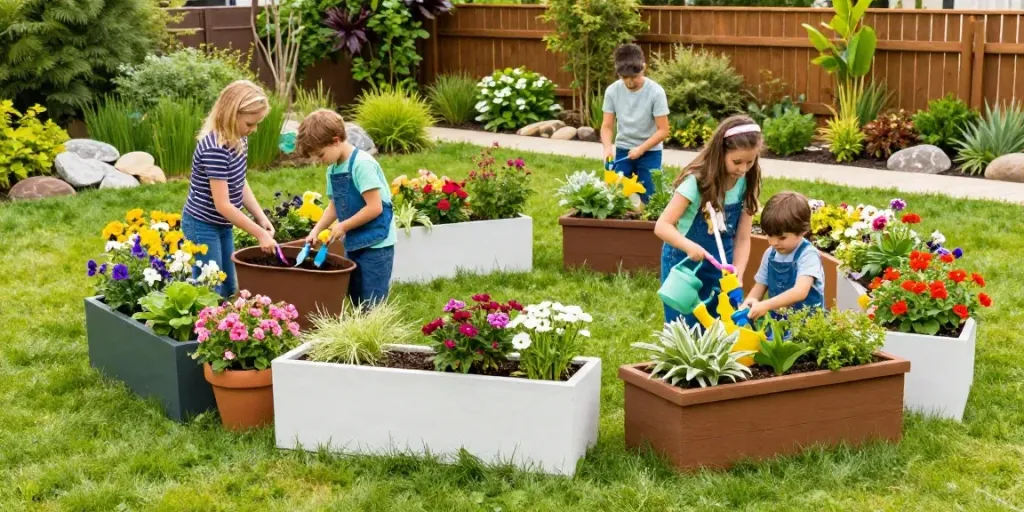
- Wood: Offers a rustic appeal, but untreated wood can rot over time, so it's best suited for raised garden beds or outdoor planters.
- Metal: Durable and modern, metal planters can heat up quickly, which is beneficial in some contexts but may also stress roots if not monitored.
Impact on Plant Health and Growth
The planter's material, size, and design directly influence plant health. For example, a planter that is too small can constrain root growth, leading to stunted plants. Conversely, overly large planters may retain too much moisture, potentially causing root rot. It's vital to match the planter's dimensions to the plant's growth habit.
Top Alternatives to Buy Garden Planters in 2026
As gardening trends evolve, so do the styles and options available for garden planters. Here are some alternative types and places to consider when looking to buy garden planters in 2026.
Eco-Friendly Planter Options
With a growing focus on sustainability, many gardeners are opting for eco-friendly planters made from biodegradable or recycled materials. Options include:
- Bamboo: Strong and sustainable, bamboo planters can decompose naturally.
- Recycled Plastics: These offer durability while helping to reduce waste.
- Coconut Coir: Made from coconut husks, coir planters are biodegradable and excellent for moisture retention.
Stylish Indoor Planters for Modern Homes
Indoor gardening is trending, with homeowners seeking stylish solutions that complement their interior decor. Options include:
- Wall-mounted Planters: Save space and create visual interest.
- Hanging Planters: Ideal for small spaces, these add a whimsical touch to any room.
- Self-watering Planters: These innovative designs help prevent over- or under-watering, perfect for busy individuals.
Budget-Friendly Buying Tips for Garden Planters
Purchasing garden planters doesn't have to break the bank. Here are some tips to keep costs low:
- Check local garden centers for sales or discounts.
- Consider DIY options using reclaimed materials.
- Join gardening forums or social media groups where members often sell or trade planters.
Visual Appeal: Enhancing Aesthetic with Planters
Planters play a crucial role in the overall aesthetic of a garden or indoor space. They can serve as focal points or subtle enhancements that elevate the visual experience.
Creating a Cohesive Garden Design
A cohesive design incorporates planters that match your landscape style, such as formal, rustic, or modern. Use colors and materials that complement your plants and the surrounding environment for a seamless look.
Color and Texture: How They Influence Plant Display
Utilizing diverse colors and textures in planters can significantly influence how your plants are perceived. Bright, vibrant planters can highlight lush greenery, while neutral tones can create a calming effect in a flower-heavy garden.
DIY Planters: Creative Ideas to Try
For those who enjoy crafts, creating DIY planters can be a rewarding project. Using materials like old pallets, tin cans, or even upcycled furniture can add unique flair to your gardening setup.
Common Misconceptions About Garden Planters
There are various myths surrounding garden planters that can lead to poor choices. Educating yourself on these misconceptions can help you make informed decisions.
Size Matters: Selecting the Right Size Planter
One prevalent misconception is that larger is always better. While larger planters allow more soil and space for roots, they can also hold excessive moisture, which can be detrimental to some plants.
Indoor vs. Outdoor Planters: Understanding the Differences
Not all planters are created equal. Indoor planters often feature designs suited for aesthetics and may not provide adequate drainage for outdoor use. It's essential to choose planters based on their intended location.
Does Price Equal Quality in Garden Planters?
While higher-priced planters often feature better materials and designs, this isn't a strict rule. Many affordable options can be high-quality, especially when made from the right materials.
The Future of Garden Planters: Trends for 2026 and Beyond
The gardening industry continues to evolve, and several exciting trends are emerging that will shape the future of garden planters.
Innovative Materials and Sustainable Practices
The movement towards sustainable gardening is driving innovation in planter materials, with bio-based options and sustainable manufacturing processes gaining traction. Expect to see an increase in planters made from recycled ocean plastics and other eco-friendly resources.
Smart Planters: Technology Meets Gardening
Technology is infiltrating gardening with smart planters that offer features such as automated watering systems and soil health sensors, appealing to tech-savvy gardeners.
Garden Planters and Urban Living: Adaptation Strategies
As urban living increases, innovative planter designs that maximize space and enhance vertical gardening will become more prevalent, allowing city dwellers to enjoy gardening despite limited space.
What are the best places to buy garden planters?
Numerous retailers offer a wide selection of garden planters, ranging from local garden centers to online stores, providing a plethora of options for every gardener.
Where can I buy cheap garden planters?
Many discount stores, garden sales, and online marketplaces offer budget-friendly planters for those looking to save money without sacrificing quality.
What is the best website to buy planters?
Reputable gardening websites often feature extensive selections of high-quality planters, allowing customers to easily compare options and make informed decisions.
Is it cheaper to make or buy planters?
Creating your own planters can be cost-effective, especially when using reclaimed materials. However, purchasing planters during seasonal sales can also offer significant savings.