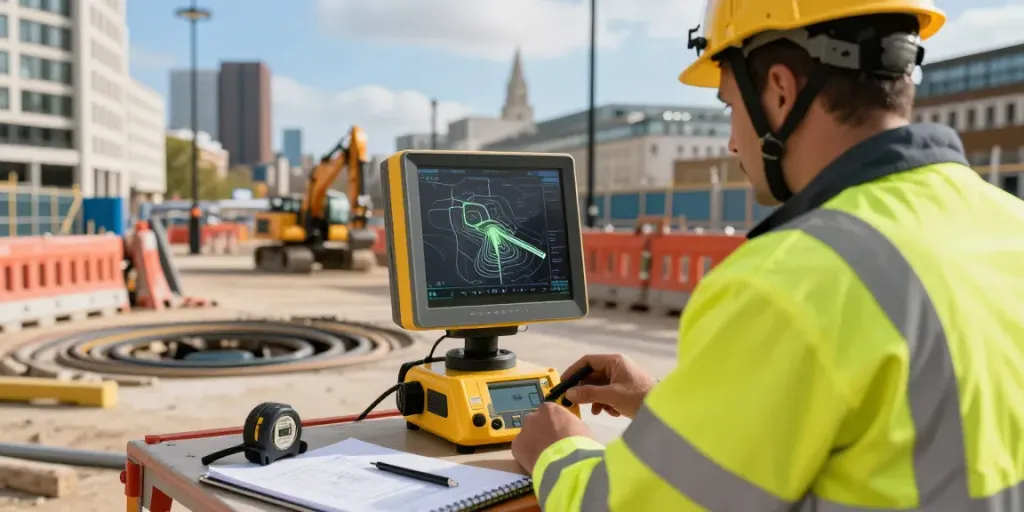
Understanding Utility Surveying in London
Utility surveying is a critical component of modern construction projects, especially in a bustling urban environment like London. With the city's extensive network of underground utilities, including water, gas, electricity, and telecommunications, accurate mapping and identification of these services are paramount to ensuring safety and efficiency in any building or renovation project. Utility surveyors play a vital role in this process, employing various tools and techniques to locate and document these subsurface utilities. For those seeking expert assistance, Utility Surveyors London offers comprehensive insights and services tailored to meet your specific needs.
What are Utility Surveyors and Their Roles?
Utility surveyors are professionals who specialise in identifying and mapping underground utilities, ensuring that construction teams have the necessary information to carry out their projects safely. Their responsibilities include conducting surveys using advanced technology, such as Ground Penetrating Radar (GPR) and electromagnetic detection, to detect utilities buried beneath the surface. By providing accurate maps and data on these utilities, surveyors help prevent accidents and damage during excavation and construction.
In addition to mapping, utility surveyors are tasked with verifying the existence and condition of existing utilities. This verification is crucial for compliance with various regulations and standards, such as PAS 128, which governs the quality and accuracy of utility surveys in the UK. Utility surveyors must also be skilled in interpreting data and communicating their findings to clients and construction teams clearly.
Importance of Accurate Utility Mapping
Accurate utility mapping is essential for several reasons. First and foremost, it helps to minimize the risks associated with underground utilities. Accidents involving unmarked utilities can lead to severe injuries, costly repairs, and project delays. Secondly, precise utility mapping supports better planning and design, allowing architects and engineers to design projects that integrate seamlessly with existing infrastructure.
Moreover, accurate mapping is vital for legal and regulatory compliance. Utility surveyors ensure that all necessary information is documented and that construction teams adhere to safety standards. This compliance can protect stakeholders from potential liabilities and contribute to smoother project execution.
Common Technologies Used by Utility Surveyors
Utility surveyors employ a variety of technologies to locate and document underground utilities accurately. Some of the most common include:
- Ground Penetrating Radar (GPR): A non-invasive method that uses radar pulses to image the subsurface, GPR is effective for detecting utilities, voids, and other anomalies.
- Electromagnetic Locators: These devices detect electromagnetic fields emitted by live utilities, providing a reliable means of locating buried cables and pipes.
- Sonar Technology: Used mainly for underwater surveys, sonar technology can also assist in mapping utilities beneath rivers and lakes.
- GPS and GIS Technology: Geographic Information Systems (GIS) and Global Positioning System (GPS) technologies are used to create detailed maps that integrate utility data with geographical information.
Identifying Reputable Utility Surveyors in London
When seeking utility surveying services in London, it is crucial to identify reputable professionals to ensure the accuracy and reliability of your project. The following criteria will help you evaluate potential surveyors effectively.
Key Qualifications and Certifications to Look For
It is essential to verify the qualifications and certifications of utility surveyors before hiring them. Look for surveyors who possess relevant accreditations such as:
- PAS 128 Certification: Indicates compliance with industry standards for utility mapping and identification.
- NVQ Level 3 or 5: A qualification in utility surveying can validate the expertise of the surveyor.
- Membership in Professional Bodies: Membership in organisations like the Chartered Institution of Civil Engineering Surveyors (CICES) or the Association of Geotechnical and Geoenvironmental Specialists (AGS) showcases commitment to professional standards.
Reviews and Recommendations: How to Assess
Performing due diligence by researching reviews and recommendations can lend insight into a surveyor's reliability. Online platforms such as Google Reviews, Trustpilot, and professional forums can provide feedback from previous clients. Look for surveyors with a consistent track record of positive reviews, and consider reaching out to past clients to gather firsthand accounts of their experiences.
Common Red Flags of Unreliable Services
While evaluating potential utility surveyors, be on the lookout for common red flags that may indicate unreliable services. These may include:
- Lack of transparency regarding pricing and services offered.
- Absence of relevant certifications and qualifications.
- Poor communication or delayed responses to inquiries.
- Negative reviews or complaints regarding service quality.
- Pressure to make a quick decision without adequate time for research.
Common Utility Surveying Scams in London
Unfortunately, the utility surveying industry is not immune to fraudulent practices. Being aware of scams can help you protect yourself and your projects. Here are some common schemes to watch out for.
Top 5 Scams to Watch Out For in 2026
- Fake Certifications: Some operators may falsely claim to possess the necessary qualifications. Always verify credentials with the relevant regulatory bodies.
- Unrealistically Low Quotes: Scammers may offer significantly lower prices than competitors. This often results in subpar work or hidden fees later on.
- Pressure Tactics: Scammers may create a false sense of urgency, pressuring you into making hasty decisions without due diligence.
- No Written Contracts: Avoid companies that refuse to provide a clear, written contract outlining services and terms, which can lead to disputes later.
- Phantom Services: Some surveyors may charge for services they never intend to perform, leaving clients with incomplete or inaccurate surveys.
Case Studies: Real-Life Examples of Scams
Several case studies highlight the importance of vigilance in the utility surveying sector. For example, a construction company in London hired a utility surveyor based solely on a low quote. The surveyor provided inaccurate mapping, leading to a damaging excavation of a gas line, resulting in project delays and financial losses. This scenario underscores the necessity of thoroughly vetting potential surveyors and prioritising quality over cost.
Legitimacy Checks for Utility Surveyors
To ensure you are hiring a legitimate utility surveyor, consider these verification steps:
- Request copies of their certifications and cross-check them against industry standards.
- Ask for references and follow up with previous clients to gauge satisfaction.
- Review their portfolio of completed projects for quality and accuracy.
- Conduct background checks on the company, looking for any history of complaints or legal issues.
Best Practices for Hiring Utility Surveyors
Hiring the right utility surveyor requires careful planning and consideration. Here are some best practices to guide you through the process.
Preparing to Hire: Questions to Ask
Before finalising your choice of a utility surveyor, it is advisable to ask the following questions:
- What specific methodologies do you use for utility mapping?
- Can you provide examples of previous projects similar to mine?
- How long do you anticipate the surveying process will take?
- What guarantees do you offer regarding the accuracy of your work?
- Are there any potential additional costs I should be aware of?
Getting the Best Value: Budgeting for Services
Understanding the cost structure of utility surveying services is critical to budgeting effectively. Prices can vary significantly based on factors like project size, complexity, and required technology. Obtain quotes from multiple surveyors, ensuring they outline all services included. This allows for better comparison and helps you budget accurately while avoiding overspending.
Understanding Service Agreements and Contracts
Before commencing work with a utility surveyor, ensure you clearly understand and agree to the terms laid out in the service agreement. This should include:
- Scope of work
- Timeline for completion
- Payment terms and conditions
- Liability clauses
- Dispute resolution process
Future Trends in Utility Surveying
The utility surveying industry is constantly evolving, influenced by technological advancements and changing regulations. Staying informed about future trends can provide a competitive edge.
Technological Innovations Shaping the Industry
Emerging technologies are transforming how utility surveying is conducted. Innovations such as AI-powered analysis and improved GPR technology are enhancing the accuracy and efficiency of surveys. Drones equipped with surveying equipment offer aerial perspectives that can streamline the mapping process, saving both time and resources.
Regulatory Changes Affecting Utility Surveyors
Utility surveyors must remain abreast of regulatory changes impacting their practice. For instance, the adoption of more stringent safety standards could require updated methodologies and techniques to comply with new laws. Staying compliant will be crucial for maintaining reputation and avoiding legal repercussions.
Predictions for the Industry in 2026 and Beyond
Looking ahead, the utility surveying industry is expected to see increased integration of technology and data analytics, providing even more precise mapping solutions. Collaboration between construction teams and utility surveyors will become essential for optimising project outcomes. As cities continue to expand and develop, the demand for skilled utility surveyors will remain high, making it an increasingly lucrative field.
What is the average salary for a Utility surveyor in the UK?
The average salary for a utility surveyor in the UK is approximately £35,000 to £45,000 annually, depending on experience and location. Positions within London typically offer higher salaries due to the city's cost of living and demand for skilled professionals.
How much does a home survey typically cost in London?
A home survey in London can cost anywhere from £150 to £1,500, depending on the type and scope of the survey. Utility surveys specifically may range from £300 to £1,000 based on the complexity of the utilities involved.
How much does a GPR survey cost?
The cost of a Ground Penetrating Radar (GPR) survey usually ranges from £500 to £2,000 or more, depending on the area surveyed and the equipment required. Factors such as accessibility and the presence of other underground features can also affect pricing.
What is the most accurate way to locate buried utilities?
The most accurate method for locating buried utilities combines multiple technologies, including GPR, electromagnetic surveying, and physical exposure through excavation when necessary. Using a combination of these methods can mitigate the risk of error and ensure the reliability of utility mapping.
Why is PAS 128 important for utility surveys?
PAS 128 is a specification in the UK that outlines best practices for underground utility detection and verification. Compliance with PAS 128 is vital for ensuring the quality and accuracy of utility surveys, providing a benchmark for surveyors and instilling confidence in clients regarding the reliability of the utility information provided.