
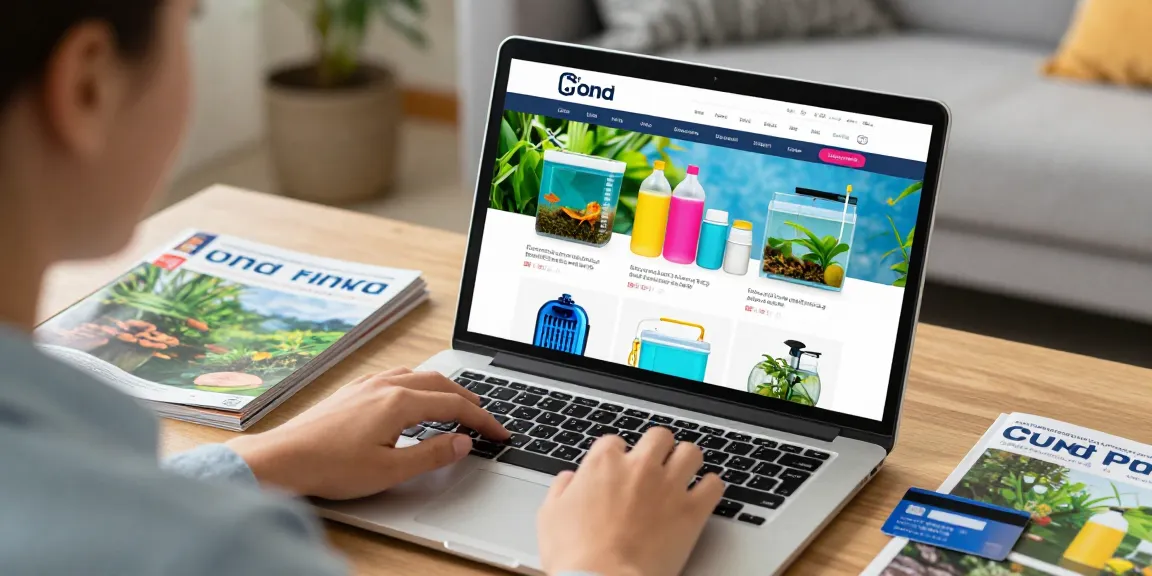
Understanding the Role of a Pond Specialist
Ponds can enhance the beauty of your landscape and provide a serene ambiance, but maintaining them can be a daunting task. This is where a pond specialist comes into play. These professionals are equipped with the knowledge and skills to ensure that your pond remains a healthy ecosystem, providing not only aesthetic value but also environmental benefits.
What Does a Pond Specialist Do?
A pond specialist is a trained expert in the maintenance, repair, and installation of ponds and water features. Their duties encompass a wide array of responsibilities, including:
- Pond Design and Construction: Crafting aesthetically pleasing and functional ponds tailored to specific landscapes.
- Water Quality Testing: Regularly assessing and managing water quality to ensure a safe and healthy environment for aquatic life.
- Habitat Restoration: Revitalizing natural habitats by removing invasive plants and maintaining biodiversity.
- Maintenance Services: Undertaking tasks such as cleaning, filtration repair, and algae control.
- Consultative Services: Providing advice on species selection and plant integration for ecosystem balance.
Benefits of Hiring a Pond Specialist
The benefits of hiring a pond specialist are numerous:
- Expert Knowledge: Specialists bring comprehensive expertise about local ecosystems and pond management practices.
- Time Saver: They handle every aspect of pond care, freeing up your time to enjoy the beauty.
- Preventive Maintenance: Regular care minimizes major problems, saving you money in the long run.
- Improved Aesthetics: Their professional touch can dramatically enhance the visual appeal of your pond.
When to Consult a Pond Specialist
Consulting a pond specialist is advisable in several situations:
- If you are planning to install a new pond or any water feature.
- When experiencing recurring algae blooms or fish die-offs.
- If your pond’s aesthetics have diminished and require restoration.
- During seasonal changes to prepare your pond for winter or summer.
Key Pond Maintenance Practices
Keeping your pond in excellent condition requires ongoing attention. Here are some key maintenance practices:
Regular Cleaning and Care Techniques
Regular cleaning is essential to prevent the accumulation of debris and algae that can harm pond life. Recommended cleaning techniques include:
- Debris Removal: Regularly skimming leaves and organic waste to prevent decay in the water.
- Pond Vacuuming: Using a pond vacuum to clean the bottom of the pond periodically.
- Filter Maintenance: Checking and cleaning your pond filter every few weeks ensures optimal water flow and clarity.
Optimal Water Quality Management
Managing water quality is pivotal for a healthy pond. Monitoring pH levels, oxygen content, and nitrogen compounds will help maintain a balanced ecosystem. Here are significant factors to consider:
- Testing Water: Regularly test for pH, ammonia, nitrates, and phosphates using kits available from garden centers or pond supply retailers.
- Adding Beneficial Bacteria: These bacteria can help break down organic waste, promoting a cleaner water environment.
- Controlling Algae Growth: Consider using natural herbicides or integrating aquatic plants to absorb excess nutrients and inhibit algae blooms.
Seasonal Pond Preparation Tips
Each season poses unique challenges and opportunities for pond care:
- Spring: Clean the pond after winter, remove debris, and inspect for any damages caused by freezing.
- Summer: Keep water levels consistent, provide shade for fish, and control algae growth.
- Fall: Prepare for winter by cleaning out leaves and considering the placement of fish.
- Winter: Keep a portion of the pond ice-free to allow for gas exchange.
Comparing Pond Products and Services
When it comes to pond maintenance, various products and services can help improve the health and aesthetics of your water feature:
Pond Liners and Their Role in Maintenance
Pond liners are crucial as they form the foundation of your pond. Here’s a breakdown of types:
- EPDM Liners: Highly durable and flexible, ideal for complex designs.
- HDPE Liners: Best for large ponds, sturdy but less flexible than EPDM.
- Pre-formed Liners: Easy to install, best for small ponds, but limited in shape options.
Best Water Treatments for Healthy Ponds
Maintaining water quality often requires various treatments:
- Algaecides: These help manage algae but should be used sparingly to avoid harming aquatic life.
- Beneficial Bacteria: As mentioned earlier, these products assist in breaking down waste and maintaining clarity.
- Water conditioners: Useful in adjusting pH and detoxifying ammonia before introducing new fish.
Choosing the Right Koi for Your Pond
Koi are a popular choice for many pond owners. Here’s how to choose wisely:
- Size: Ensure your pond is large enough and deep enough to accommodate fully grown koi.
- Type: Understand the various koi breeds and their care requirements.
- Source: Buying from reputable breeders ensures the health and quality of the fish.
Cost Analysis: Hiring a Pond Specialist vs. DIY
When considering pond care, one must weigh the costs of hiring a pond specialist against the DIY route:
A Breakdown of Service Costs
The cost for hiring a pond specialist can vary significantly based on service needs, pond size, and geographical location. Typical pricing includes:
- Initial consultations often range from $50 to $150.
- Maintenance visits can be around $100 to $250.
- Installation services can differ widely: $1,000 to over $5,000 depending on pond complexity.
Time Investment vs. Financial Investment
DIY pond care can save money but may cost you valuable time and effort. Consider how much time you can realistically dedicate to your pond compared to the financial savings you might achieve.
Calculating Long-Term Savings
Investing in a pond specialist can result in long-term savings by preventing costly repairs and maintaining an efficient ecosystem, which offsets the expenses of neglect due to DIY mishaps.
Online Shopping for Pond Supplies
The surge in e-commerce has made it easier for pond owners to access quality supplies. Here’s what to look for:
Best E-commerce Platforms for Pond Care Products
Look for reputable e-commerce platforms that specialize in garden and pond supplies. Some of the best-known options include:
- Amazon: A vast selection, but check reviews for quality assurance.
- Home Depot or Lowe’s: Reliable for local pick-ups with various pond supplies.
- Dedicated Pond Supply Websites: These often offer expert advice and specialized products.
Maximizing Your Value with Seasonal Discounts
Seasons can significantly affect pond supply costs. Look for:
- Sales during spring and fall as people prepare their ponds for summer and winter.
- End-of-season clearance sales, especially when stores are reducing stock.
- Membership discount programs where you can save money over time.
Reading Product Reviews for Informed Choices
Before purchasing any pond supplies, reading customer reviews can provide insight into product effectiveness and potential issues, helping you make informed choices.
FAQs
What is the average cost of hiring a pond specialist?
Costs vary based on service, location, and pond size, but you can expect to spend between $100 to $250 for maintenance and more for specialized services.
How often should I maintain my pond?
Regular maintenance should occur at least once a month, with intensive care needed seasonally.
What are the best plants for pond health?
Water lilies, cattails, and native aquatic plants are excellent choices that also promote biodiversity.. Additionally, pond specialist provides further details.